Kusozu: What Remains
Kusozu is a traditional genre of Japanese art that graphically depicts the sequential decay of a human corpse. Manifesting as paintings, handscrolls, and poetry, Kusozu depicts the nine stages of decomposition, from breathing to dust. Kusozu originated from the ancient Buddhist meditation known as Maransati, or mindfulness of death. Maransati takes many forms, like a meditation where death is kept continuously on the mind, or another, where one would imagine their own death by contemplating next to a corpse. Kusozu's roots are in the imaging of this process. The subjects of Kusozu were often corpses found in charnel grounds, open-air burial sites where bodies were left to decompose. These corpses would turn to dust in front of the monks, their names forgotten and their bodies disappearing. In response, the monks would repeat to themselves, "Truly, this body is of the same nature; it will become like that and cannot escape from it."
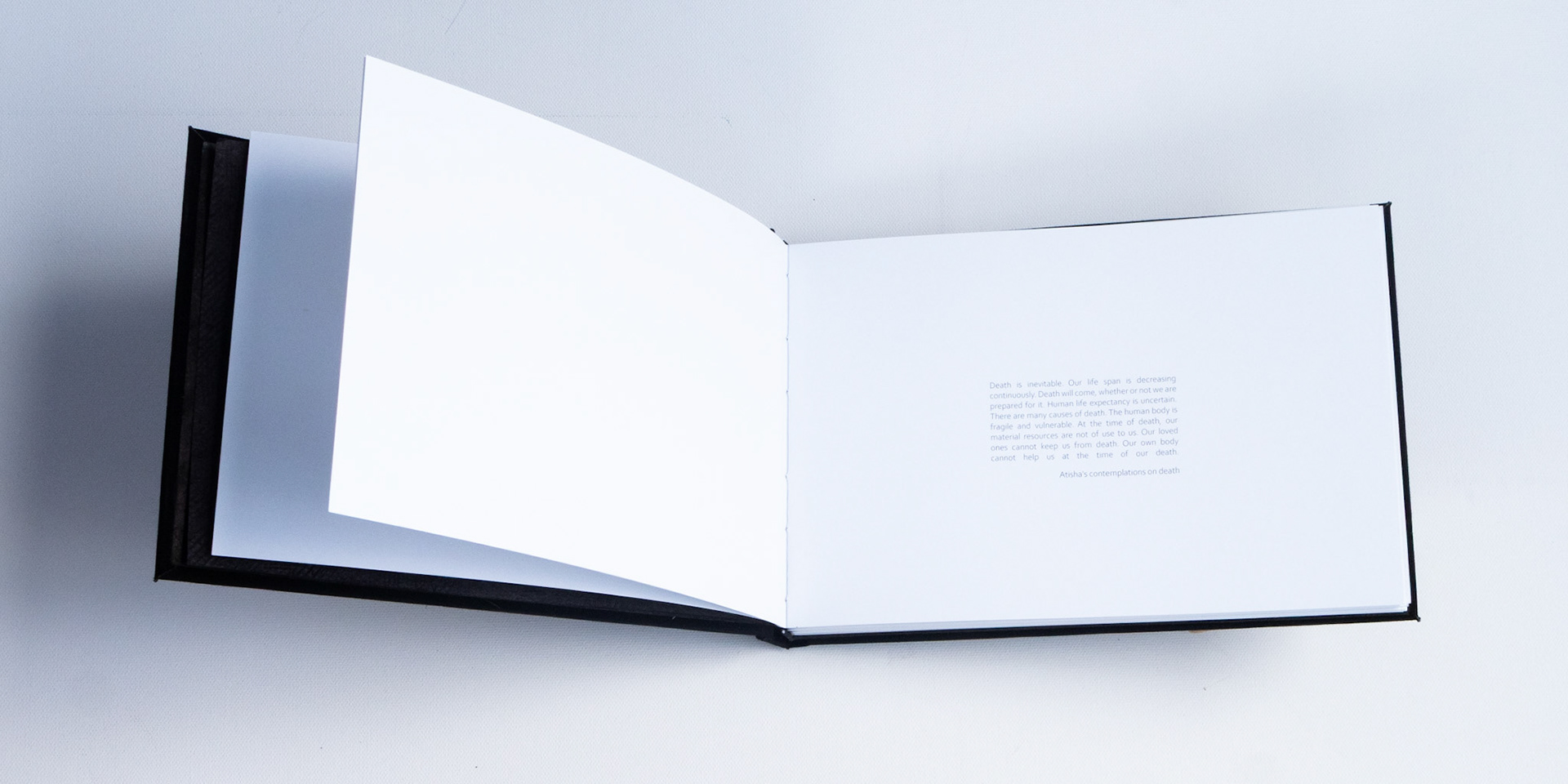
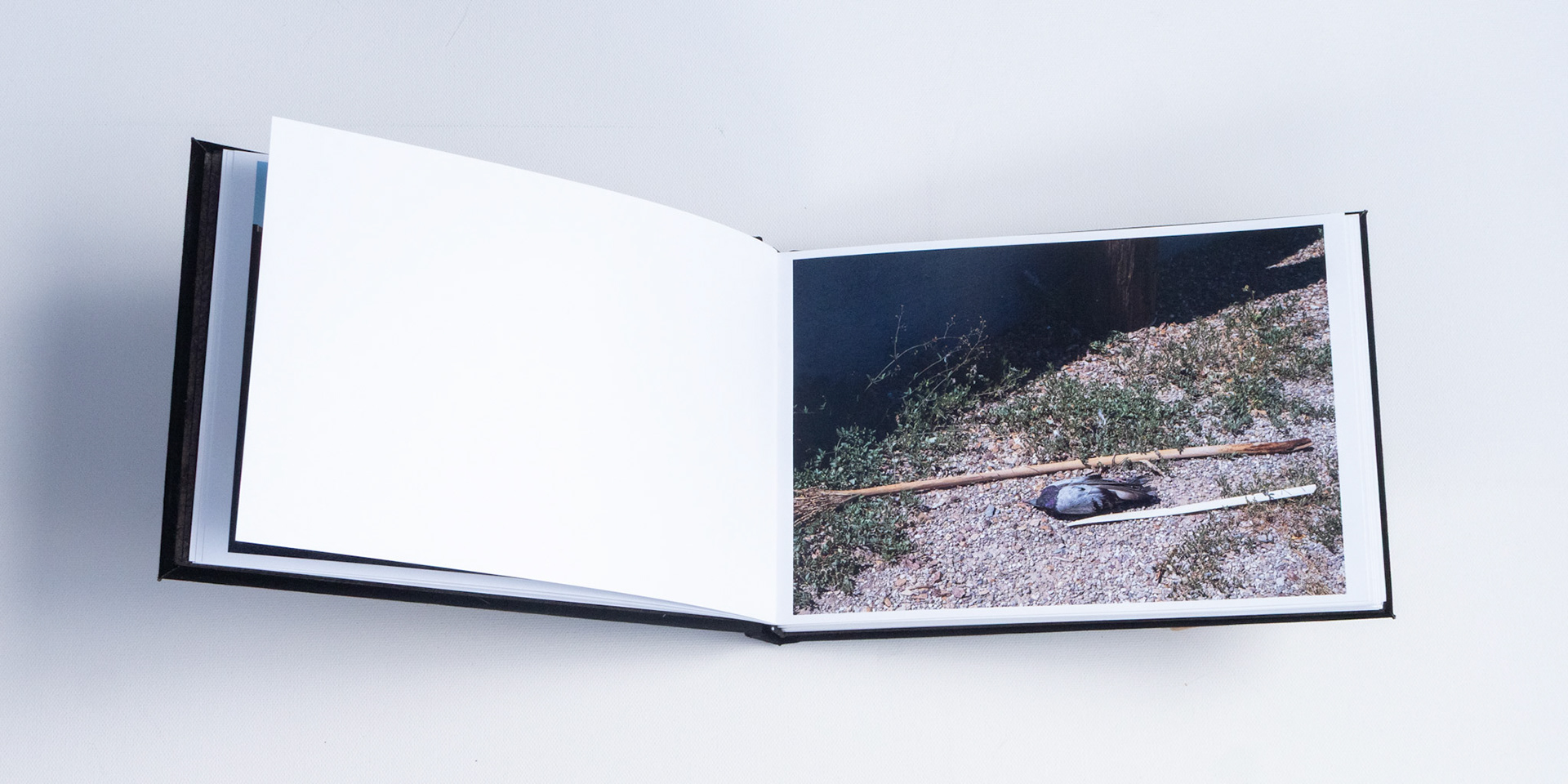
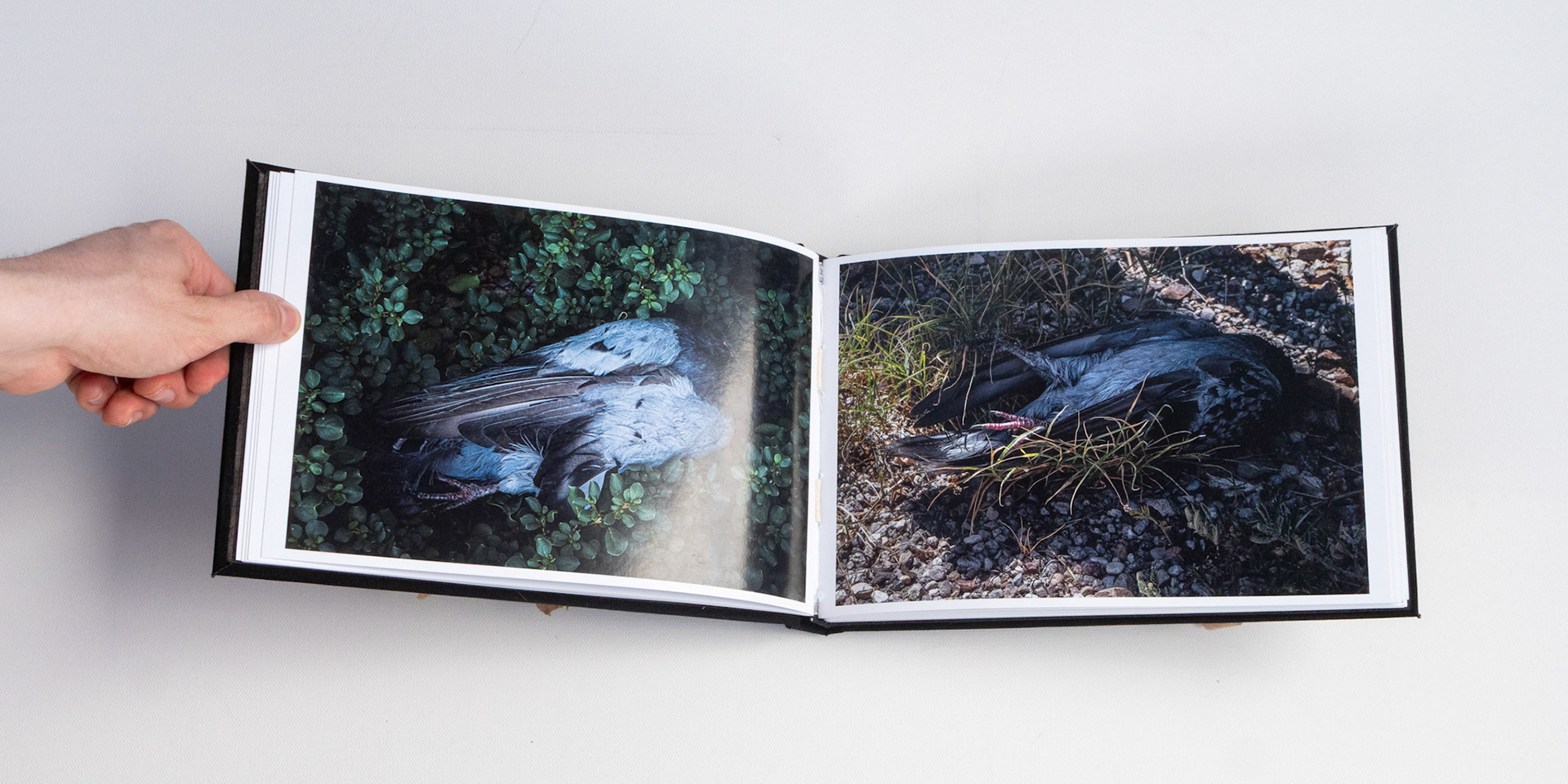
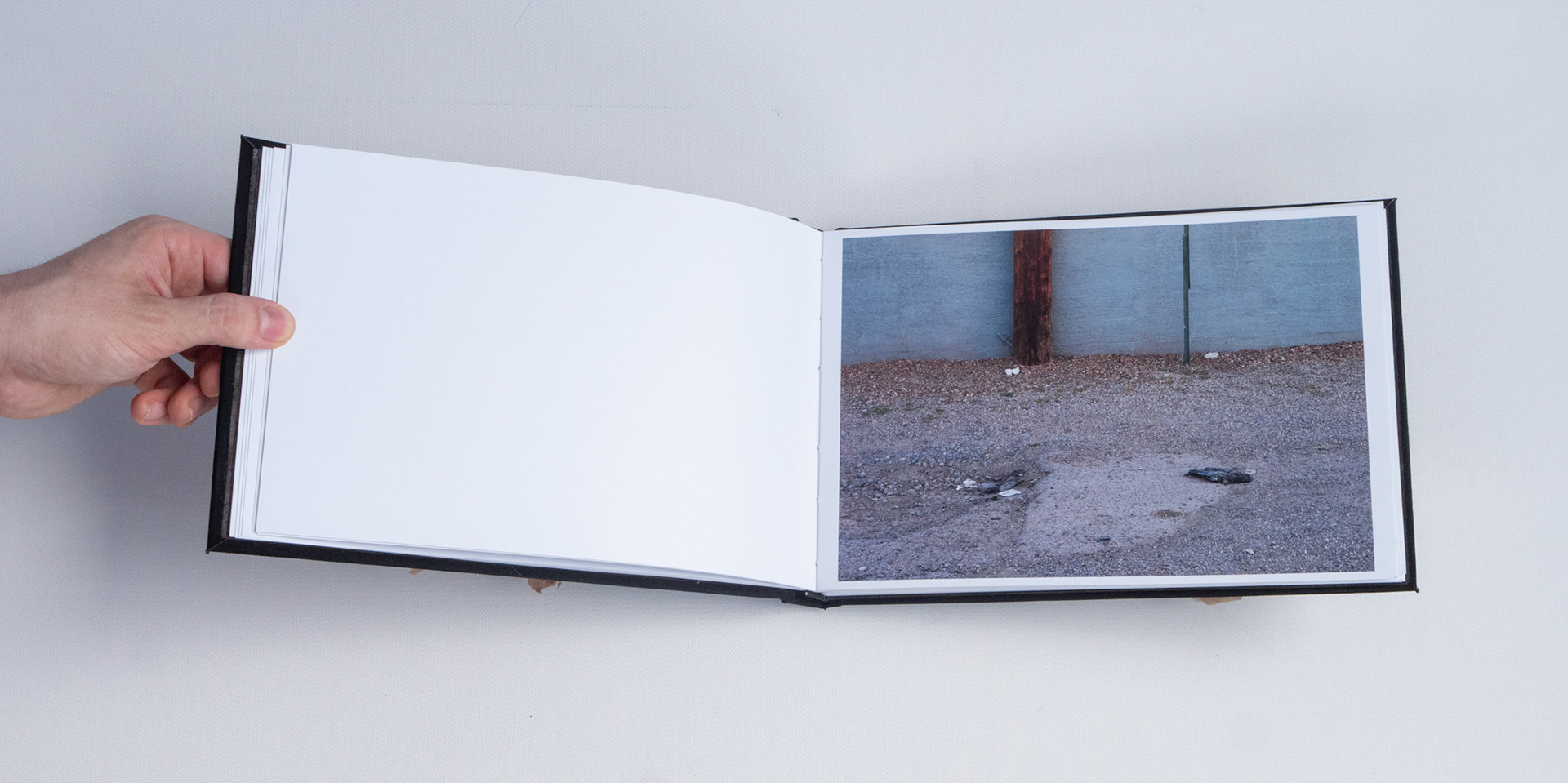
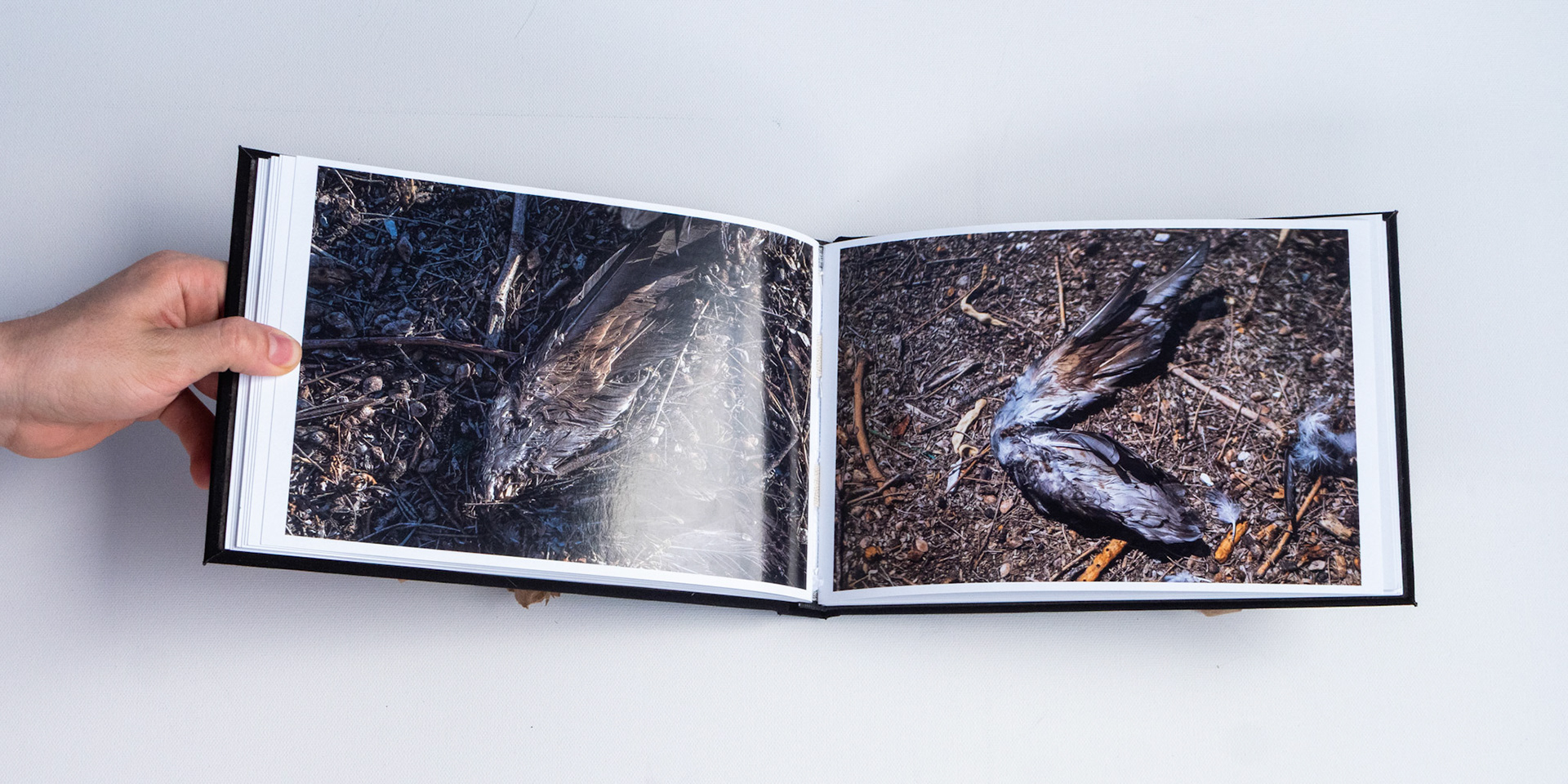
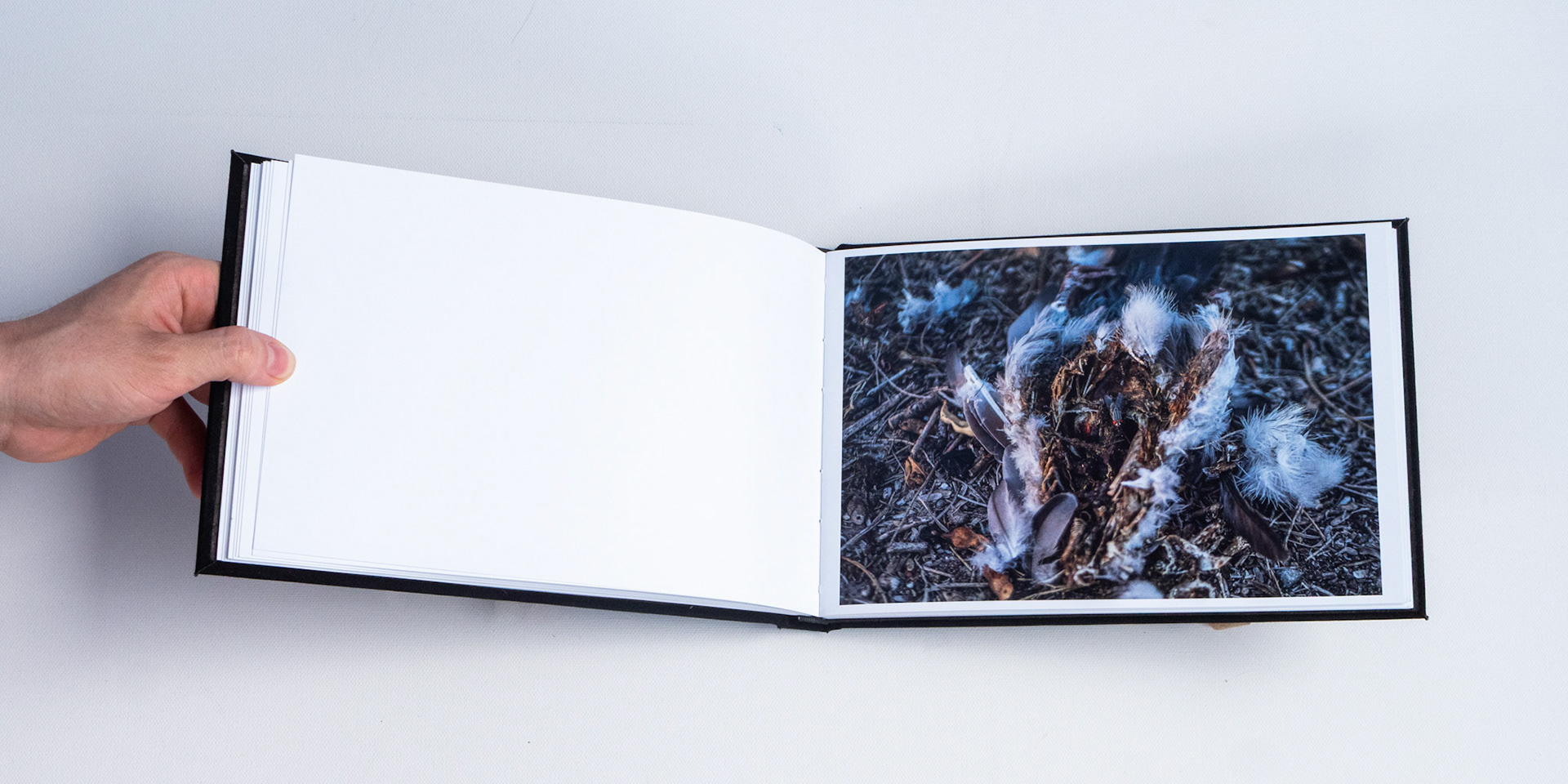
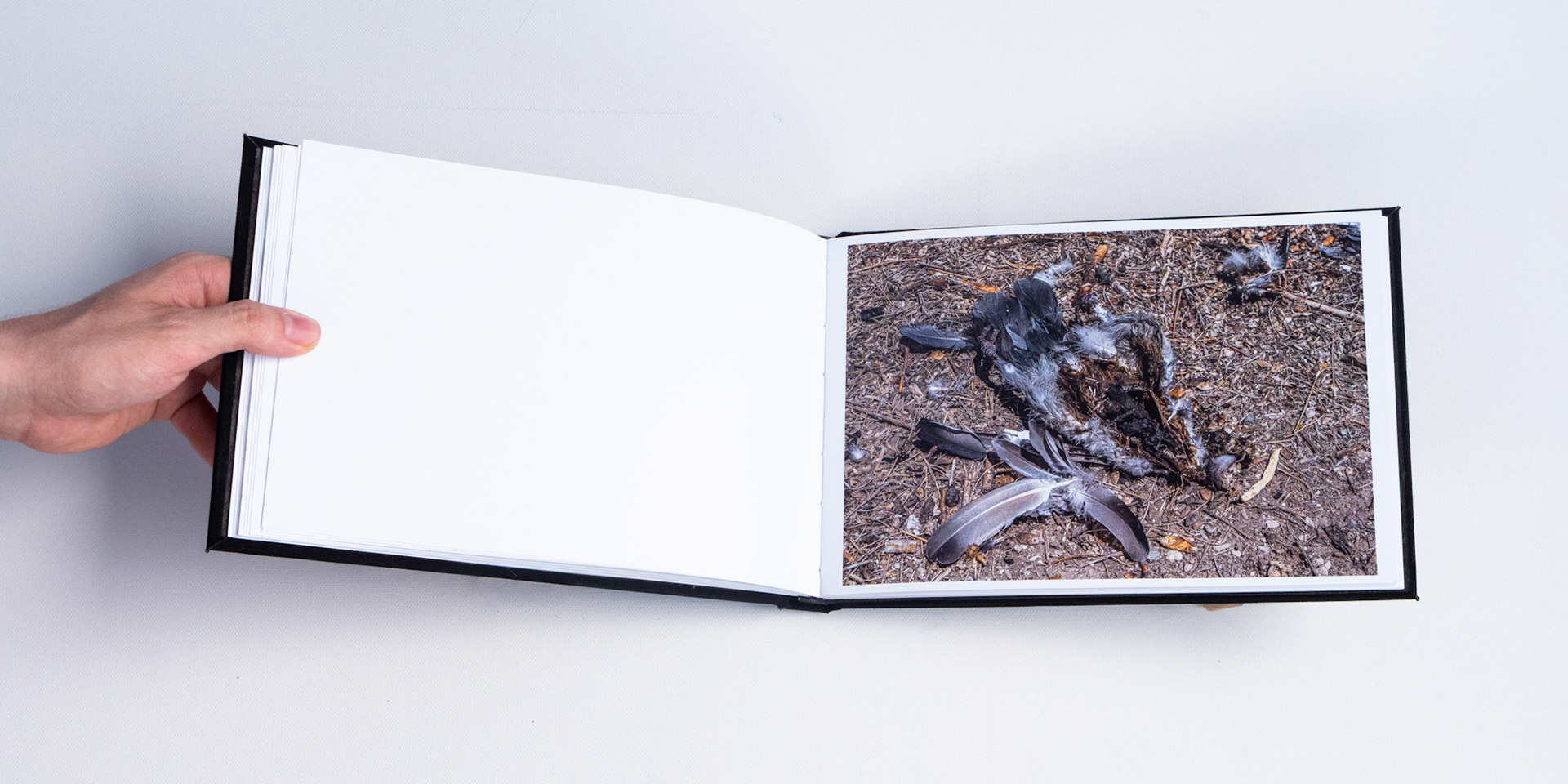
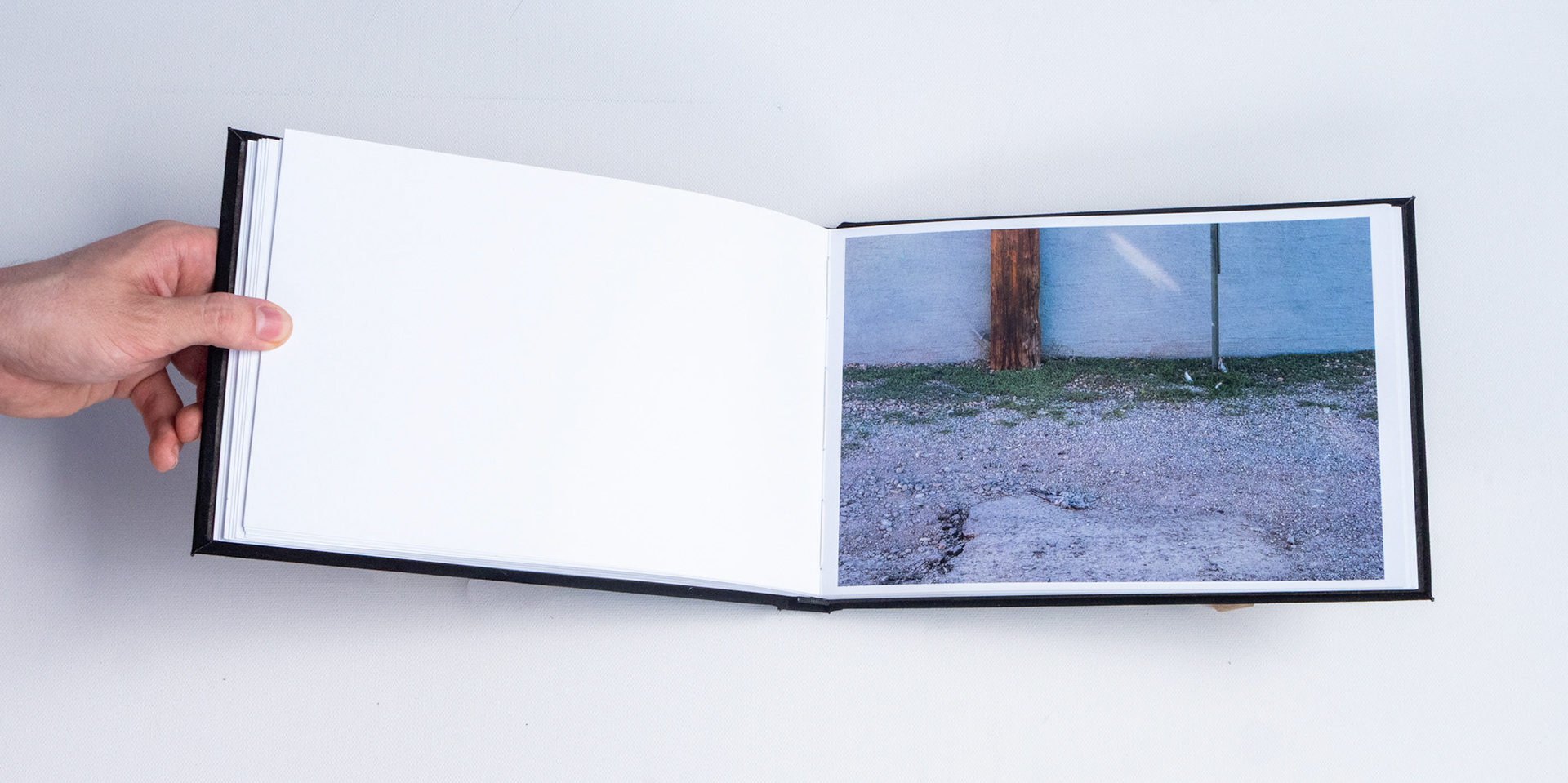
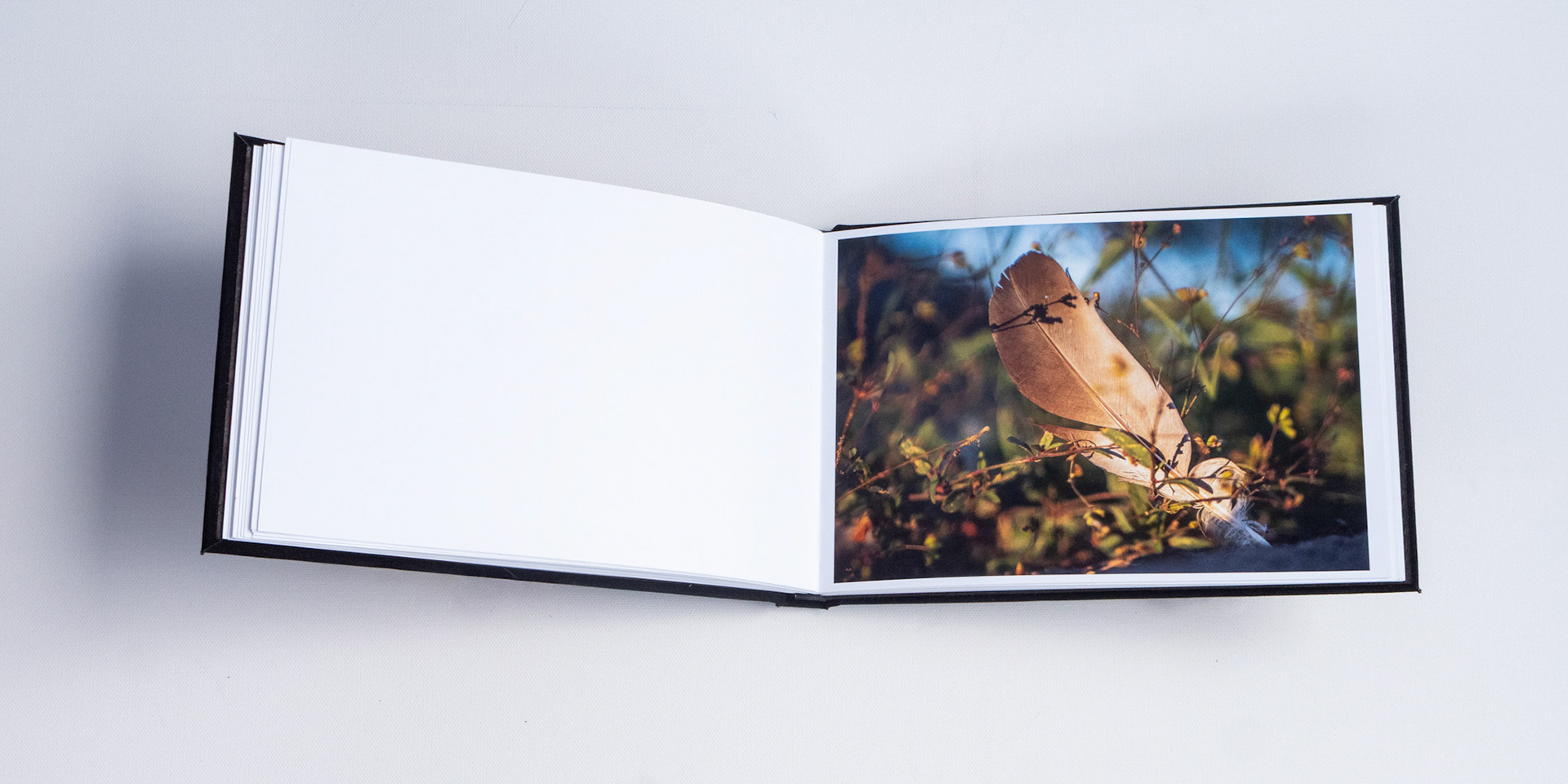
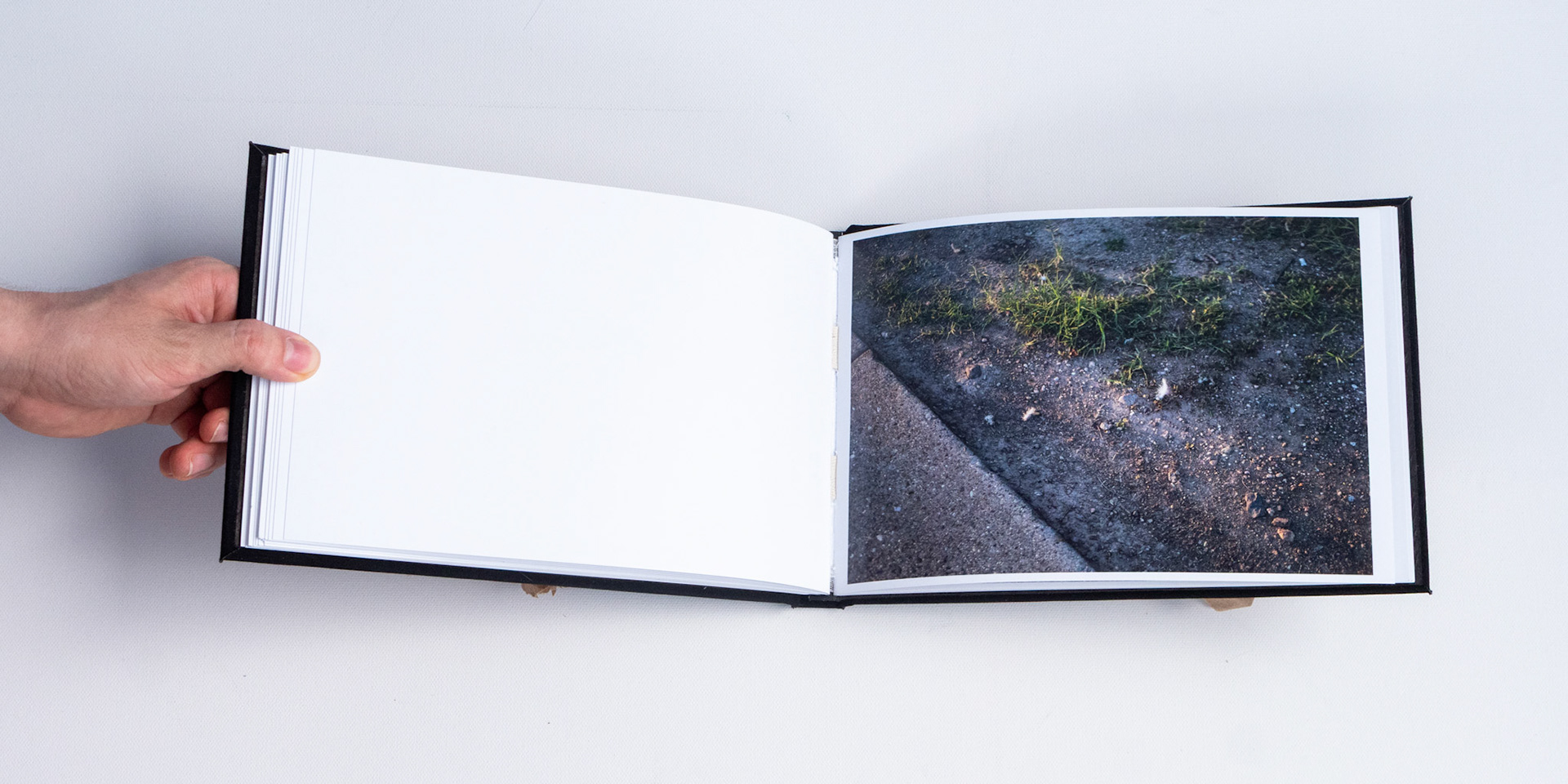
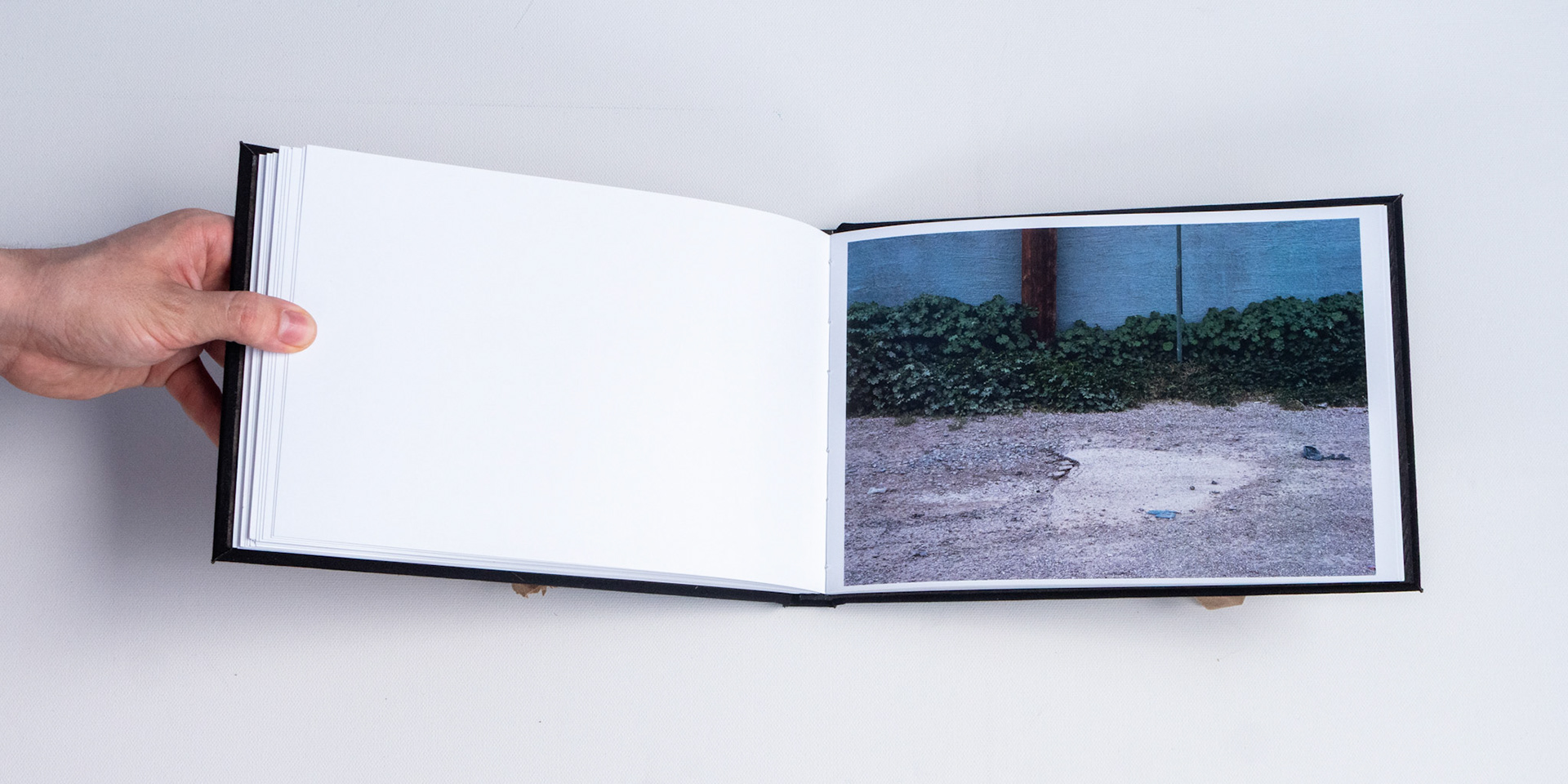
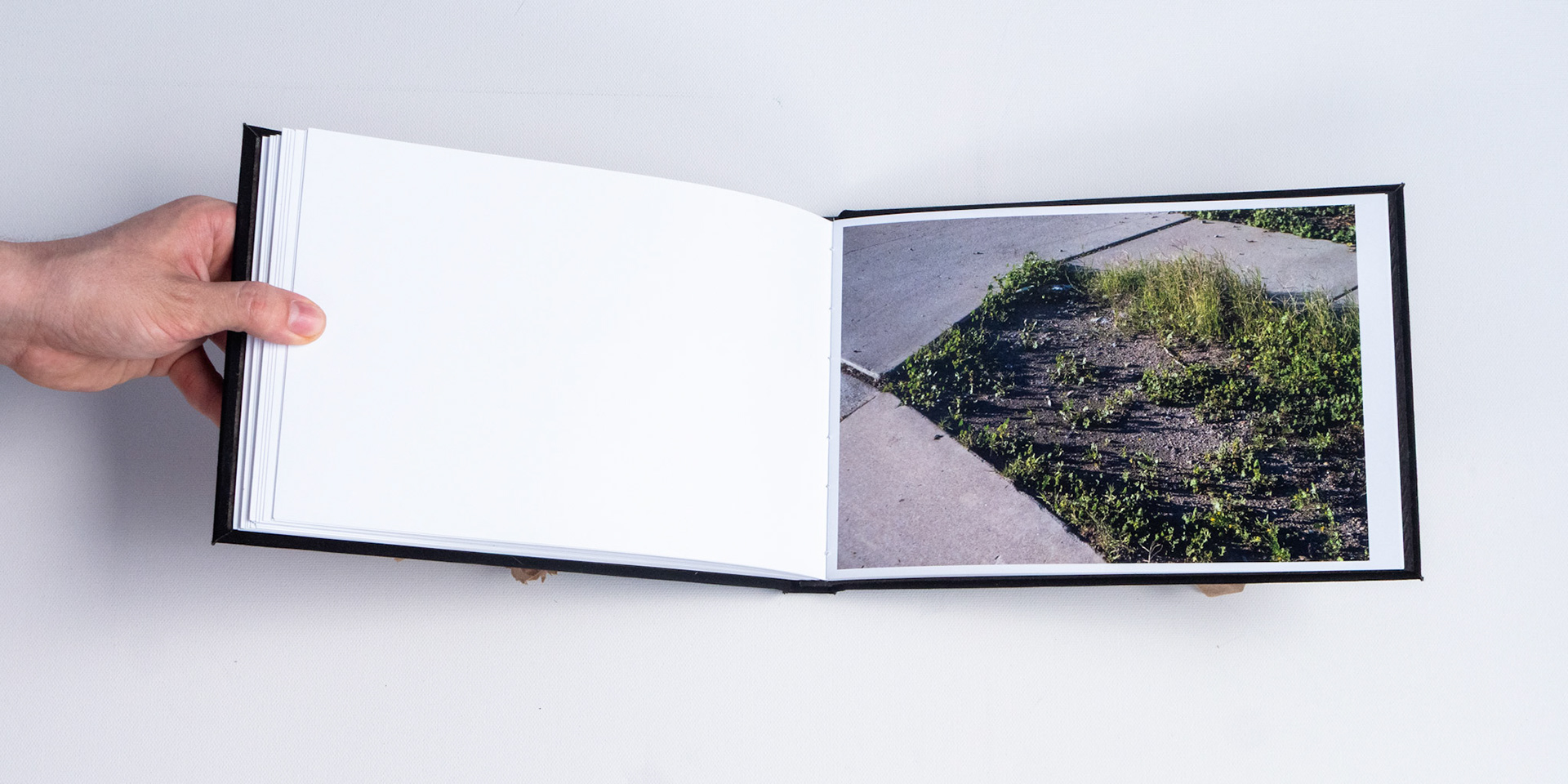
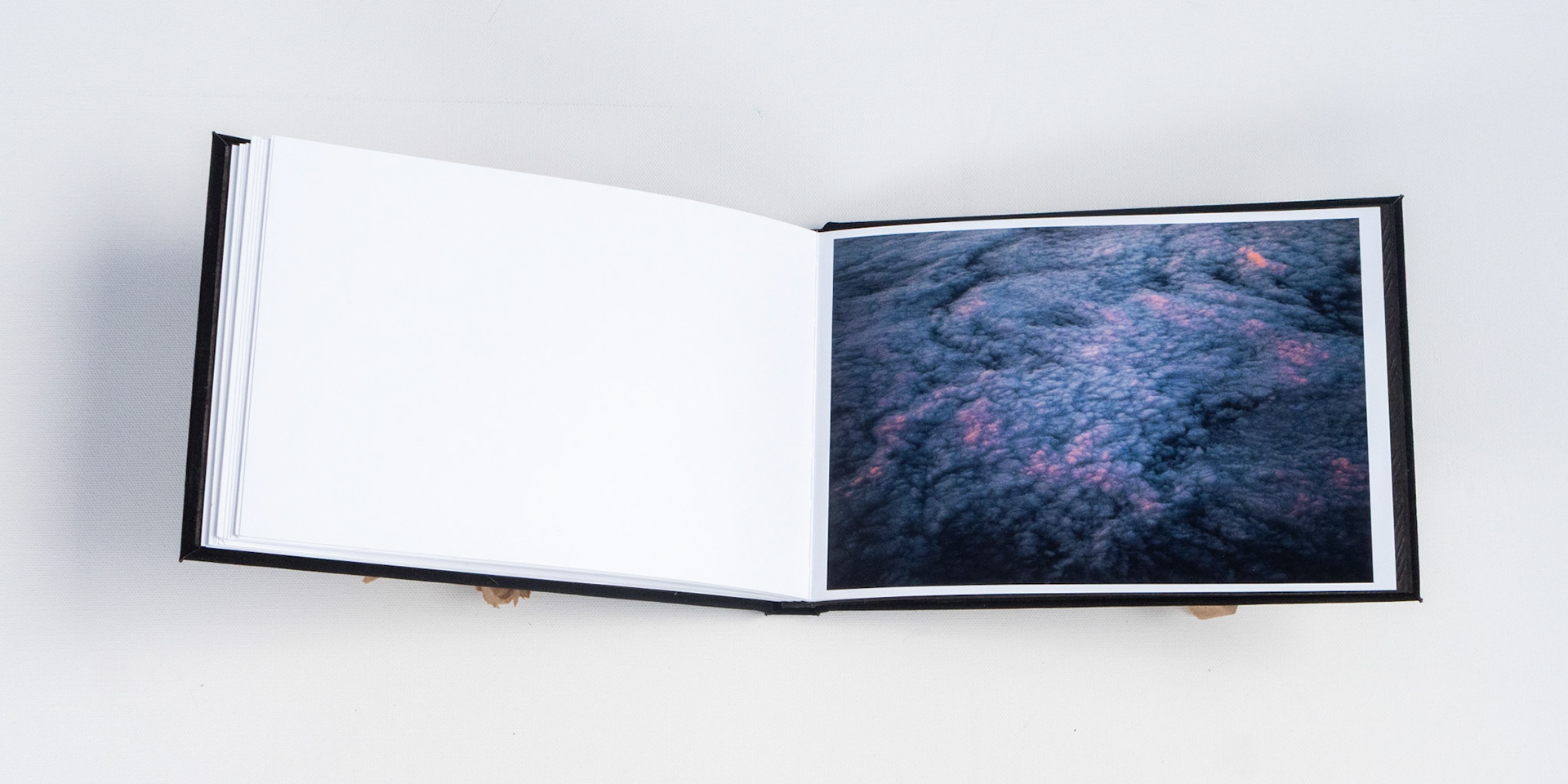
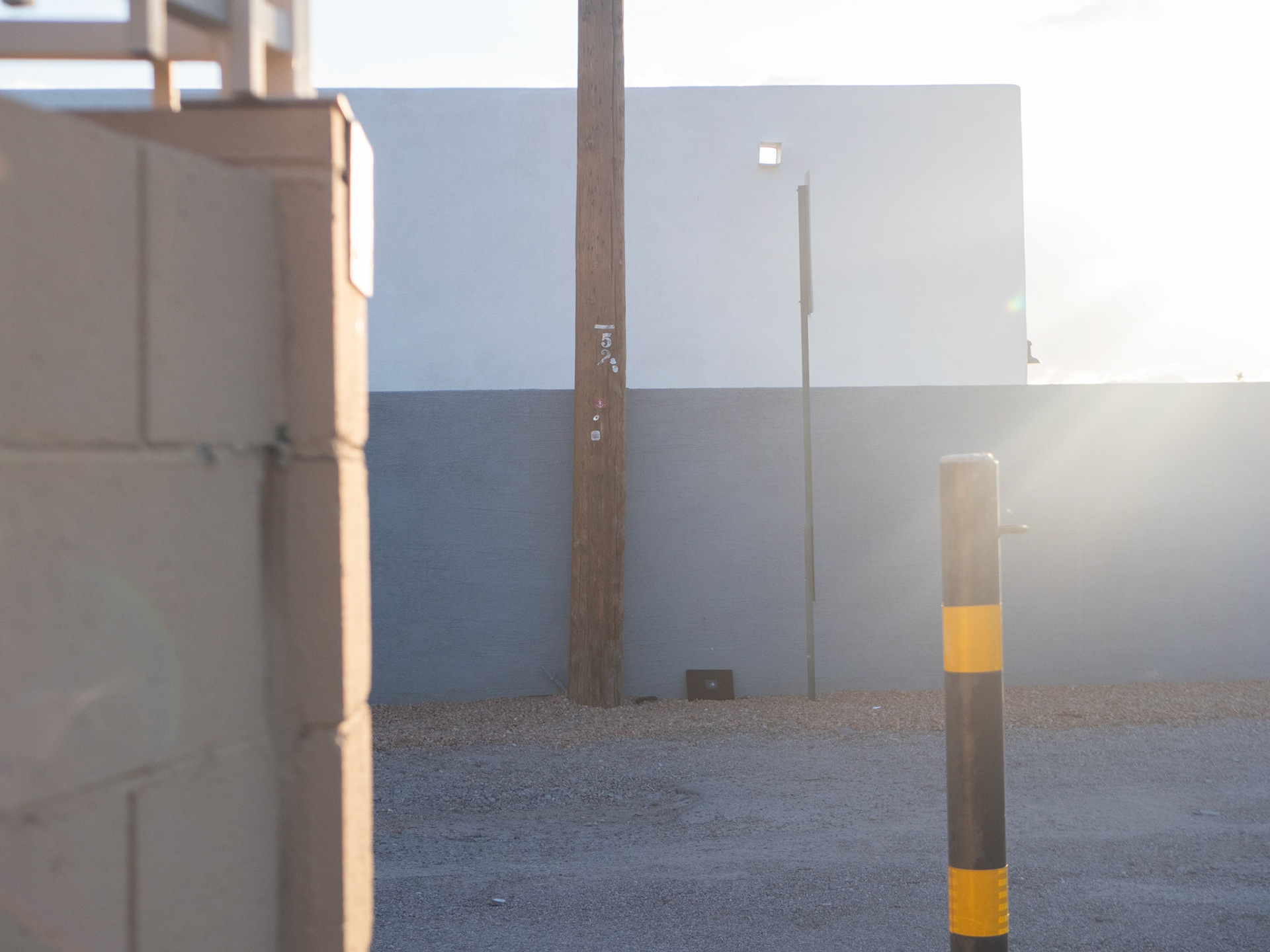
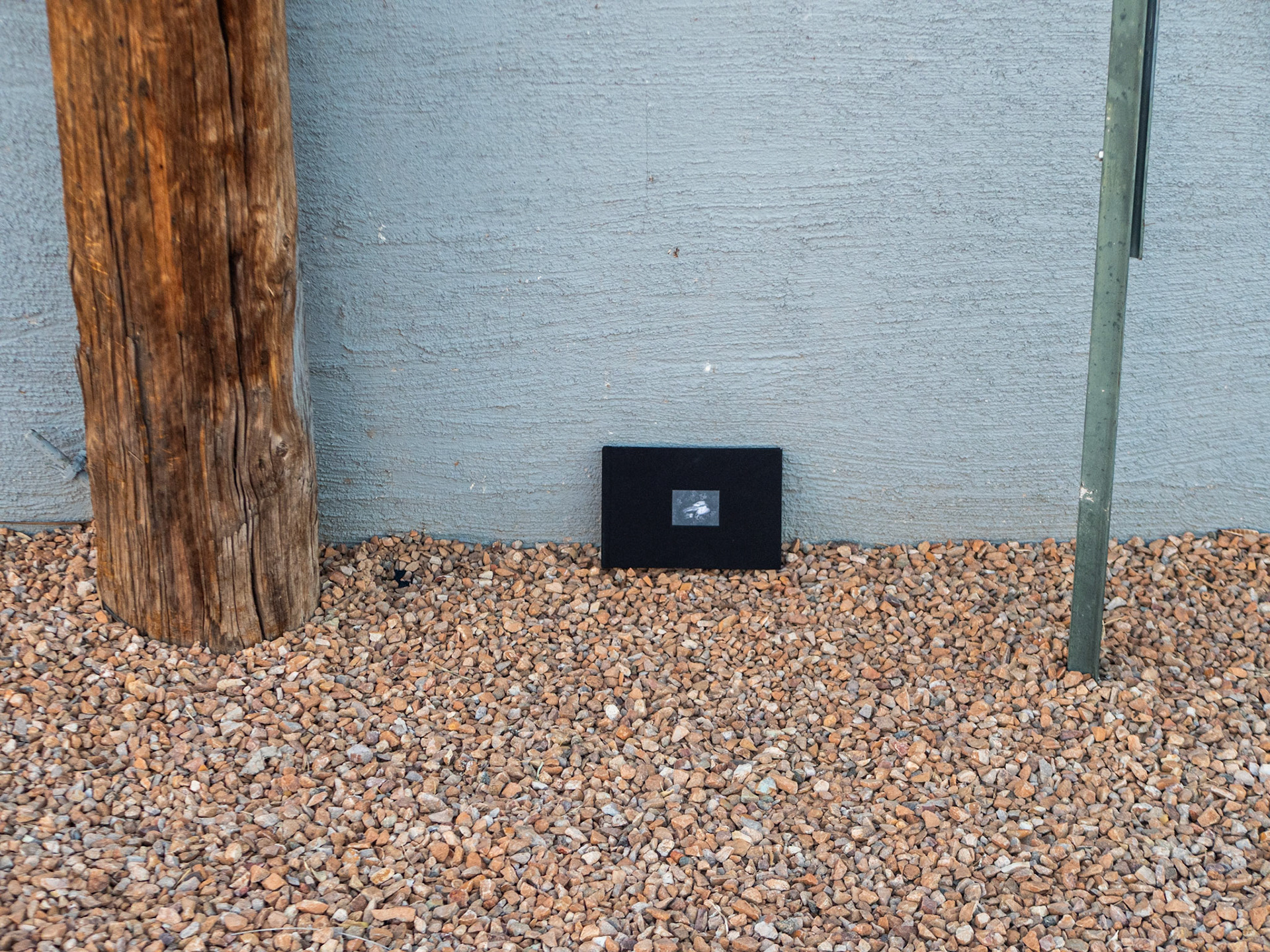
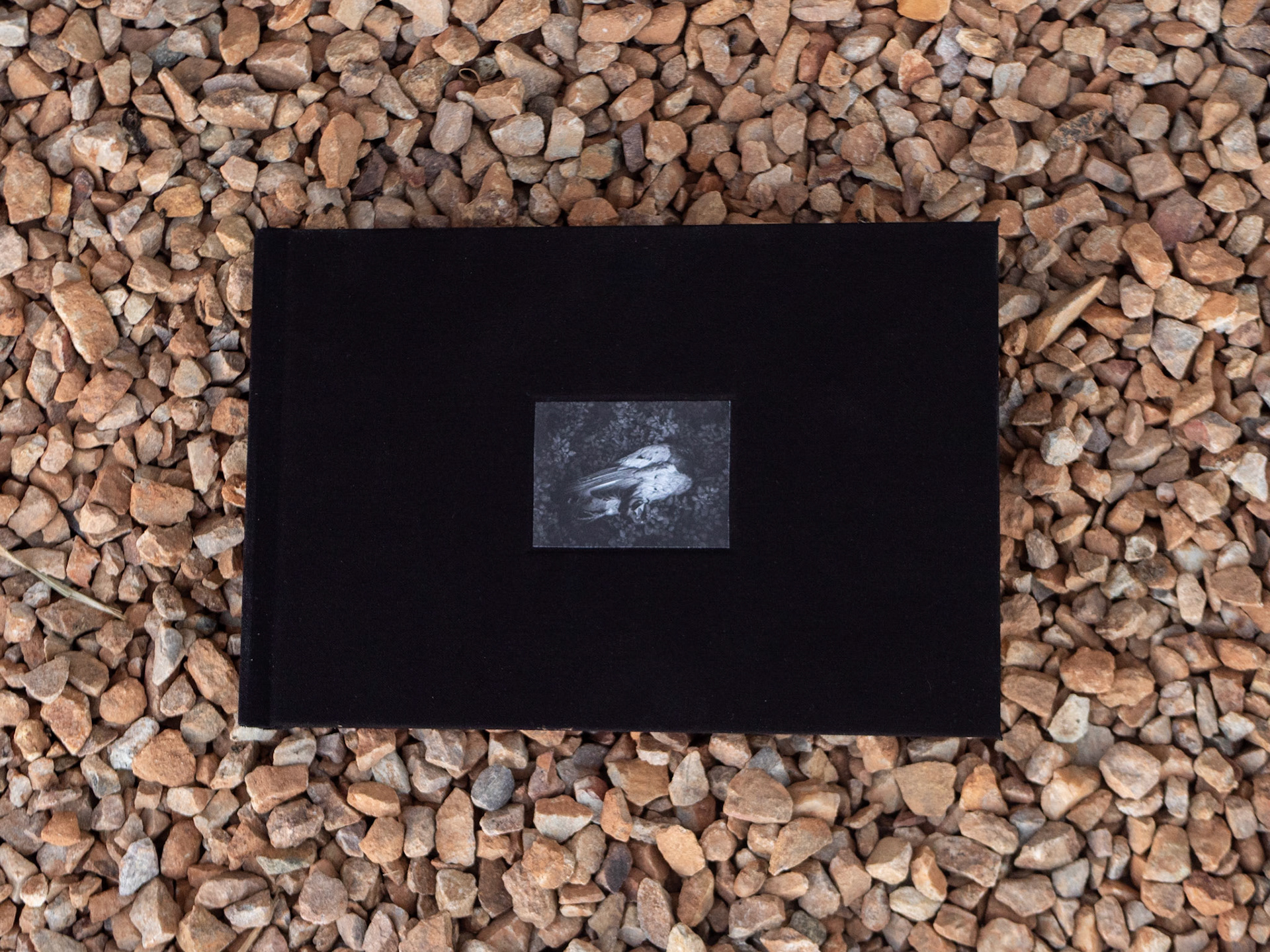
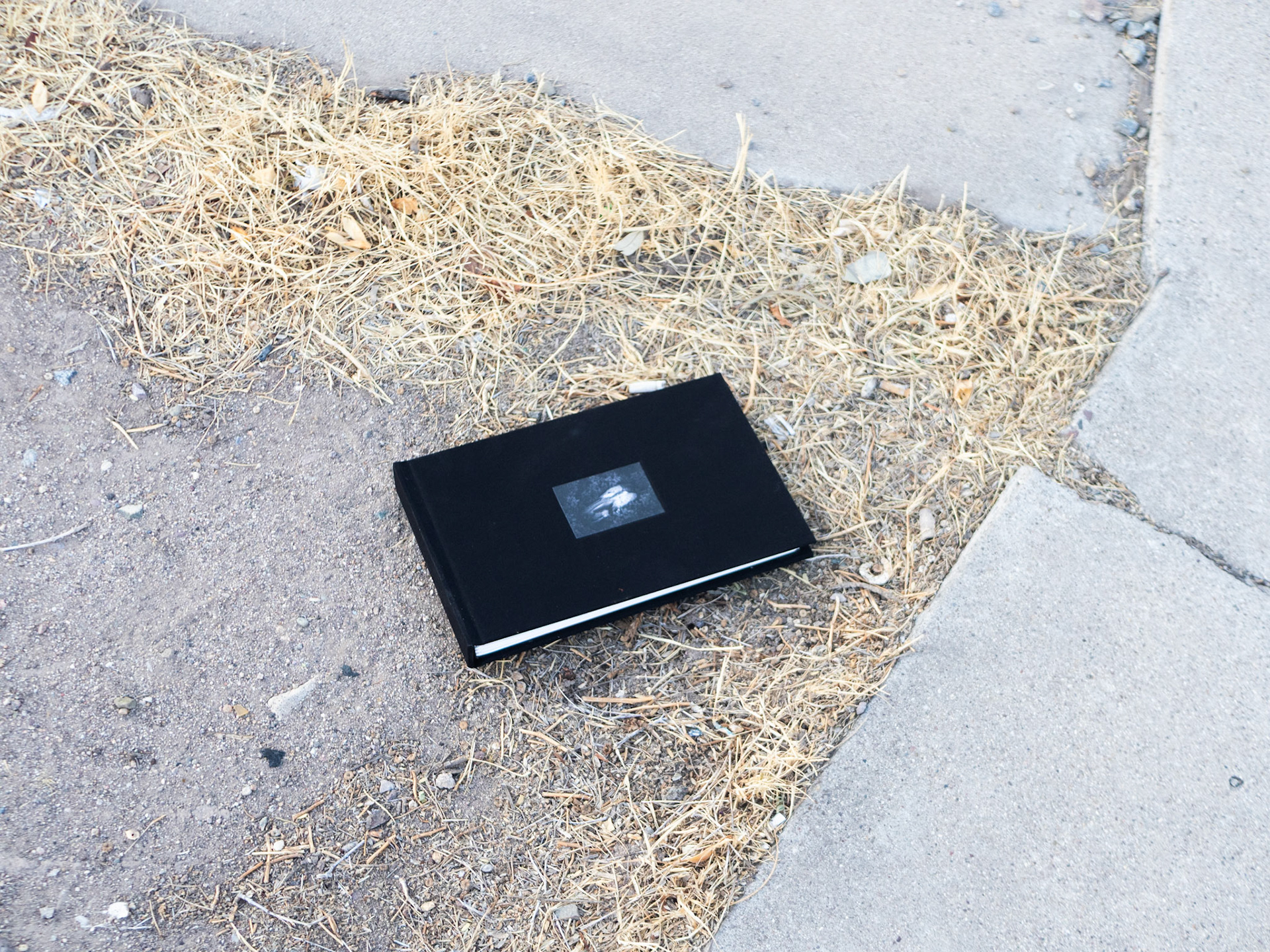
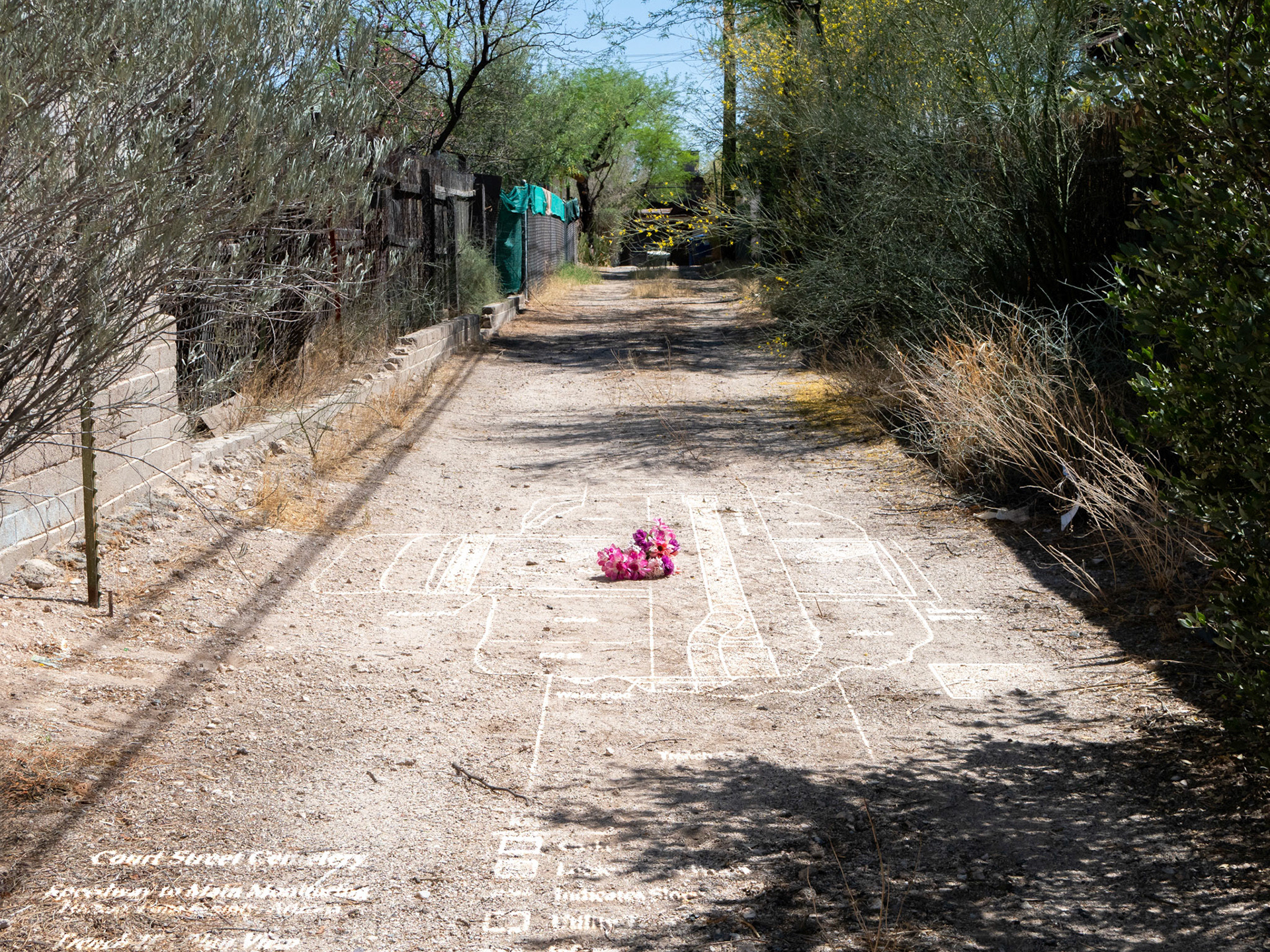
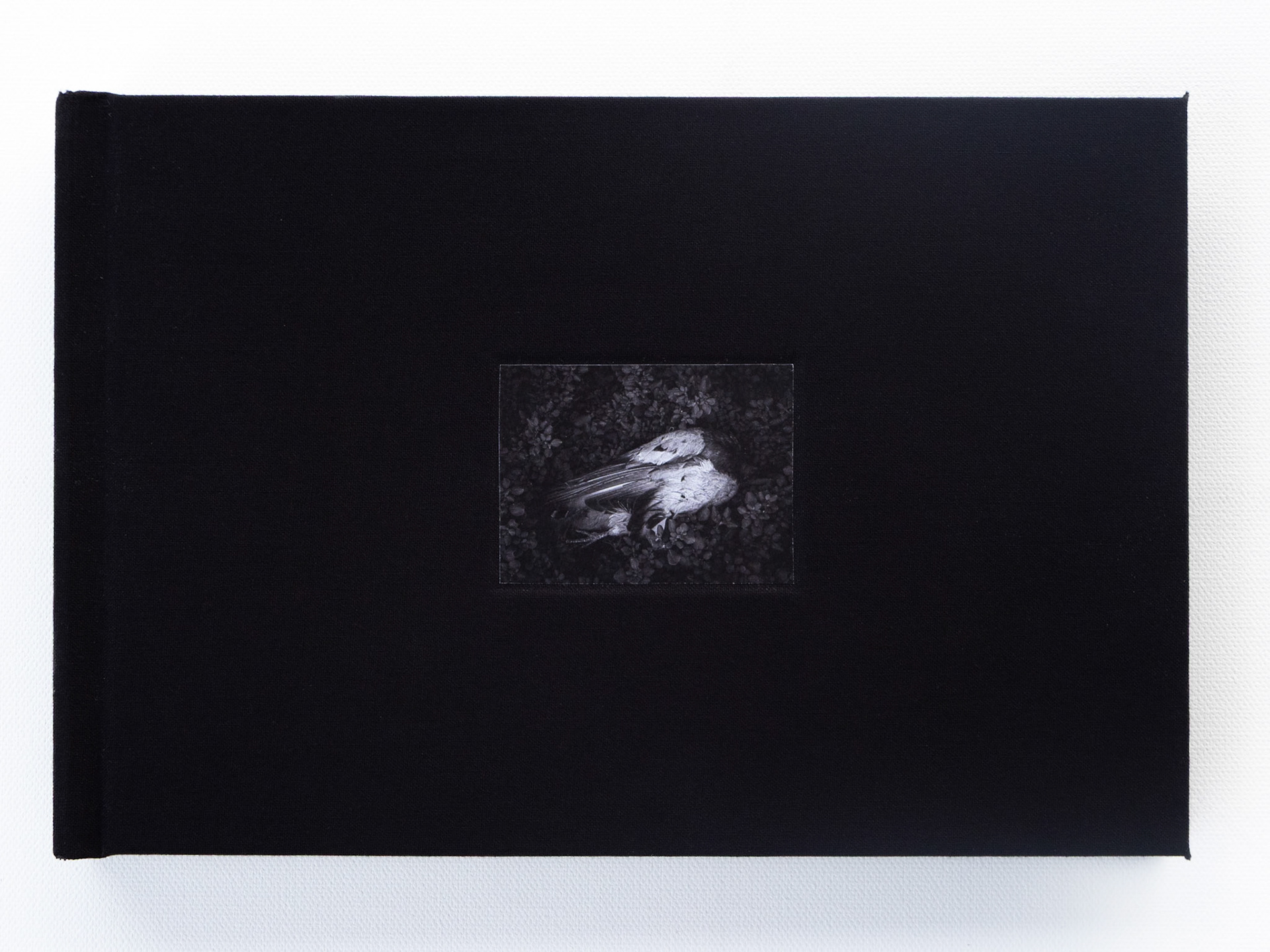
"Kusozu: What Remains" Follows the tradition of Kusozu, documenting the decomposition of pigeons that were left untouched. Sitting in front of a house, in an alley, and on the corner of a daycare, the book follows the birds as they become mush, then feathers, then nothing. The epigraph at the beginning of the book is a set of contemplations on maransati from the eleventh-century Tibetan Buddhist scholar Atisha.
Death is inevitable.
Our life span is decreasing continuously.
Death will come, whether or not we are prepared for it.
Human life expectancy is uncertain.
There are many causes of death.
The human body is fragile and vulnerable.
At the time of death, our material resources are not of use to us.
Our loved ones cannot keep us from death.
Our own body cannot help us at the time of our death.